
Choosing a phone: affordability and battery life matters
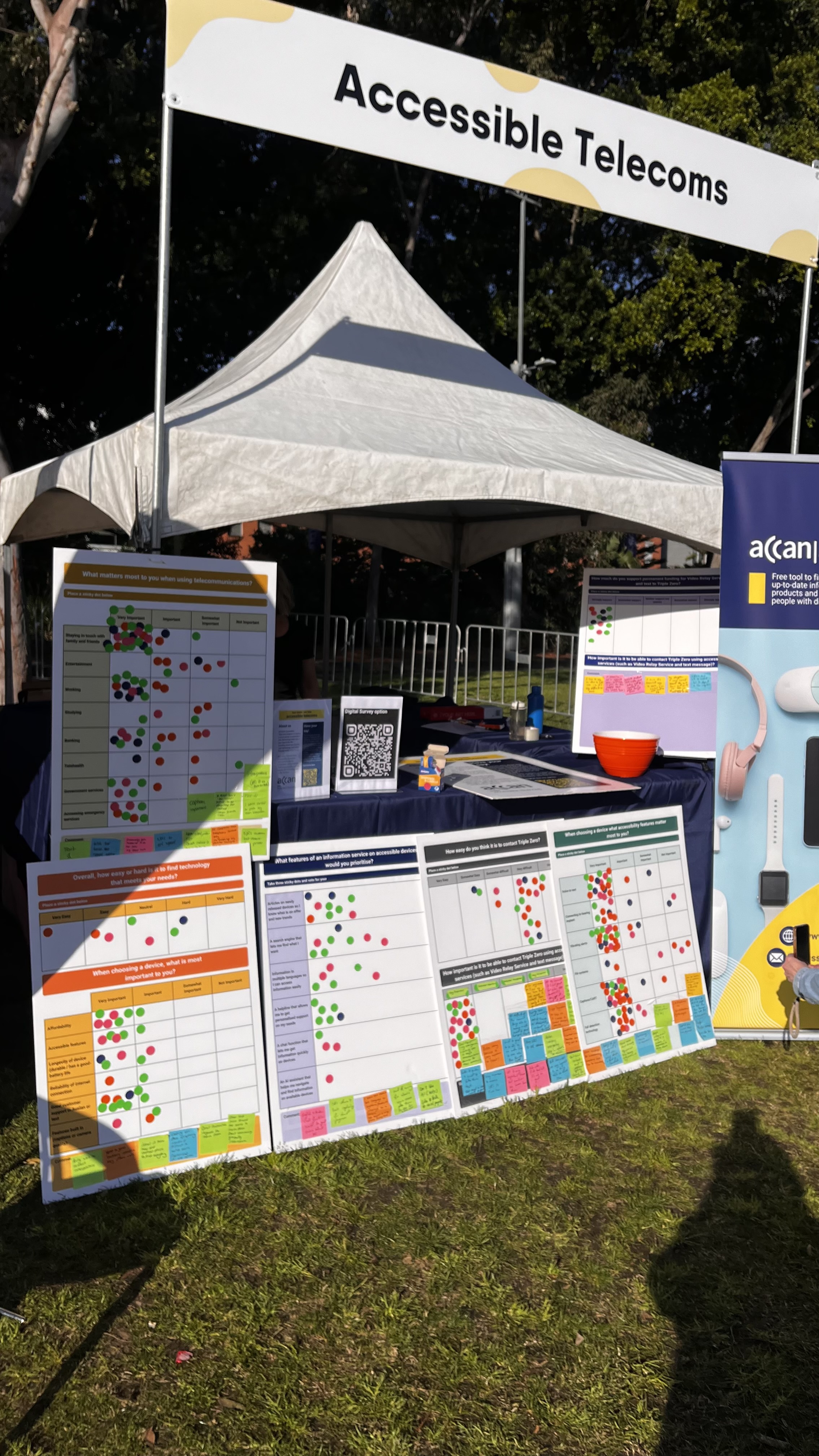
Cost is the biggest factor when choosing a phone. Almost everyone in our survey (96%) at The Deaf Festival earlier this year said affordability matters most when looking for a device, followed by ease-of-use (75%) and reliability (58%).
When we asked about the most important factors to look for, people told us:
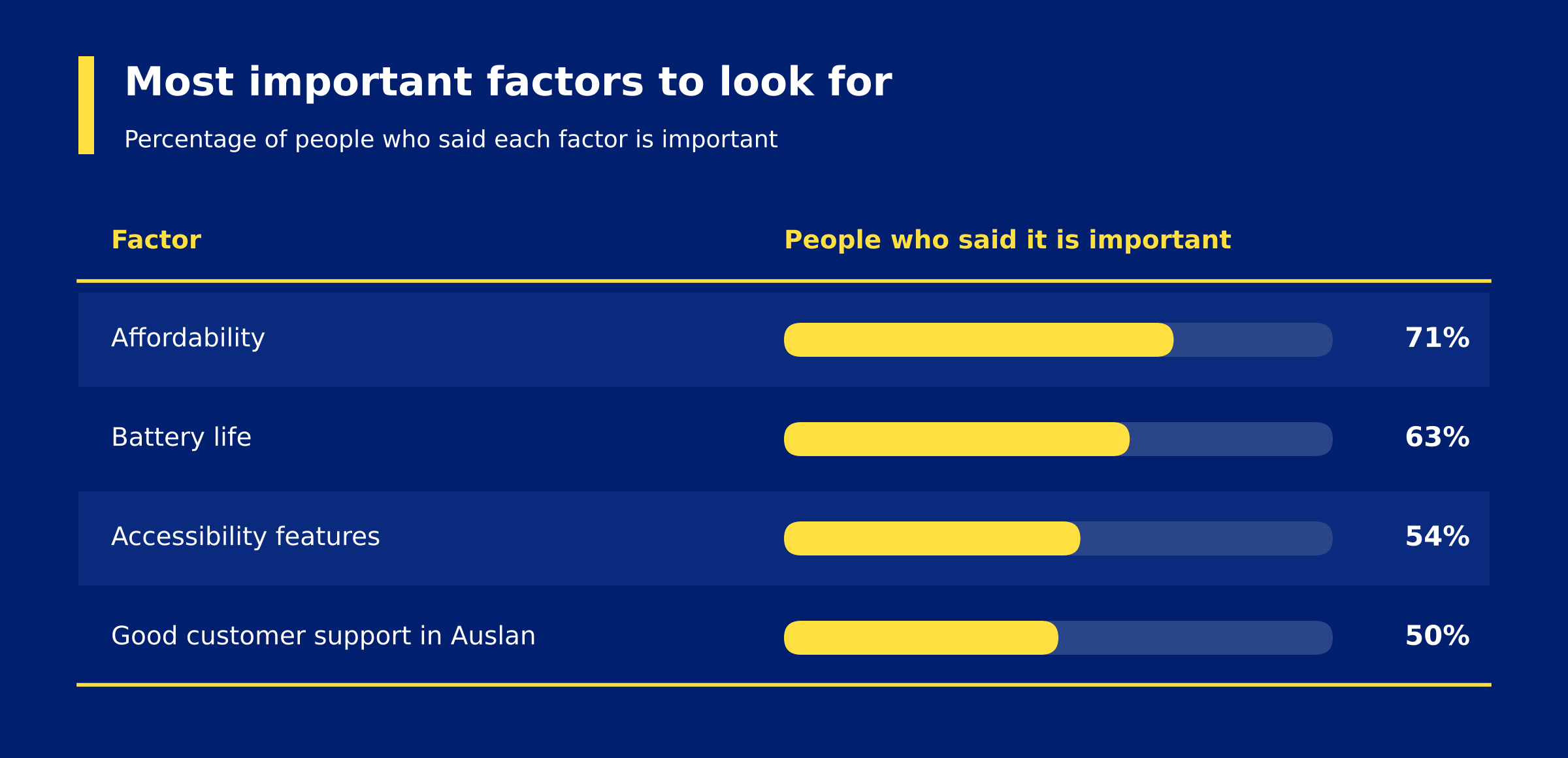
Good accessibility features matter, but so do the basics. A phone is how we communicate and stay connected, so it needs to last the day, keep a reliable connection wherever we are, and come with support we can use.
Battery life is a big deal
Battery life came second in our survey (63%), ahead of accessibility features. For many Deaf and hard of hearing people, their phone serves as their main form of communication throughout the day.
That puts extra demand on battery life:
- Auslan video calls keep the screen and camera on, which uses a lot of power.
- Live captions and voice-to-text apps keep the microphone and processor working the whole time.
- Streaming to hearing aids or cochlear implants over Bluetooth adds to the drain.
- Vibrating and flashing alerts are how many people know a message, alarm or call has come in.
For a Deaf or hard of hearing person, a flat battery can mean losing their main way to communicate, including a way to contact emergency services or use text or relay.
What to look for when purchasing a phone:
- Seek independent, real-world reviews and tests from sources like Canstar, CHOICE and PCMag.
- Consider review of other users for their insights from sources like pickr and community forums.
- Fast charging - Android phones generally allow you the option to see if fast charging is on. Look out for the two-lightning bolt on the battery icon.
- A power-saving mode that still lets your alerts and captions work.
- If there is a particular phone you would like, but the price point for the latest device is out of your budget, consider purchasing a previous year’s model or a refurbished device.


